Adapting Classrooms: When We Change the Environment, Children Thrive
Key Takeaways
Small environmental changes can support attention, emotional regulation and access to learning for every pupil
Visual clarity, calmer spaces and flexible seating can reduce barriers without singling children out
Inclusive classrooms respond to learner differences early, before everyday challenges become barriers
When a busy classroom makes learning feel impossible
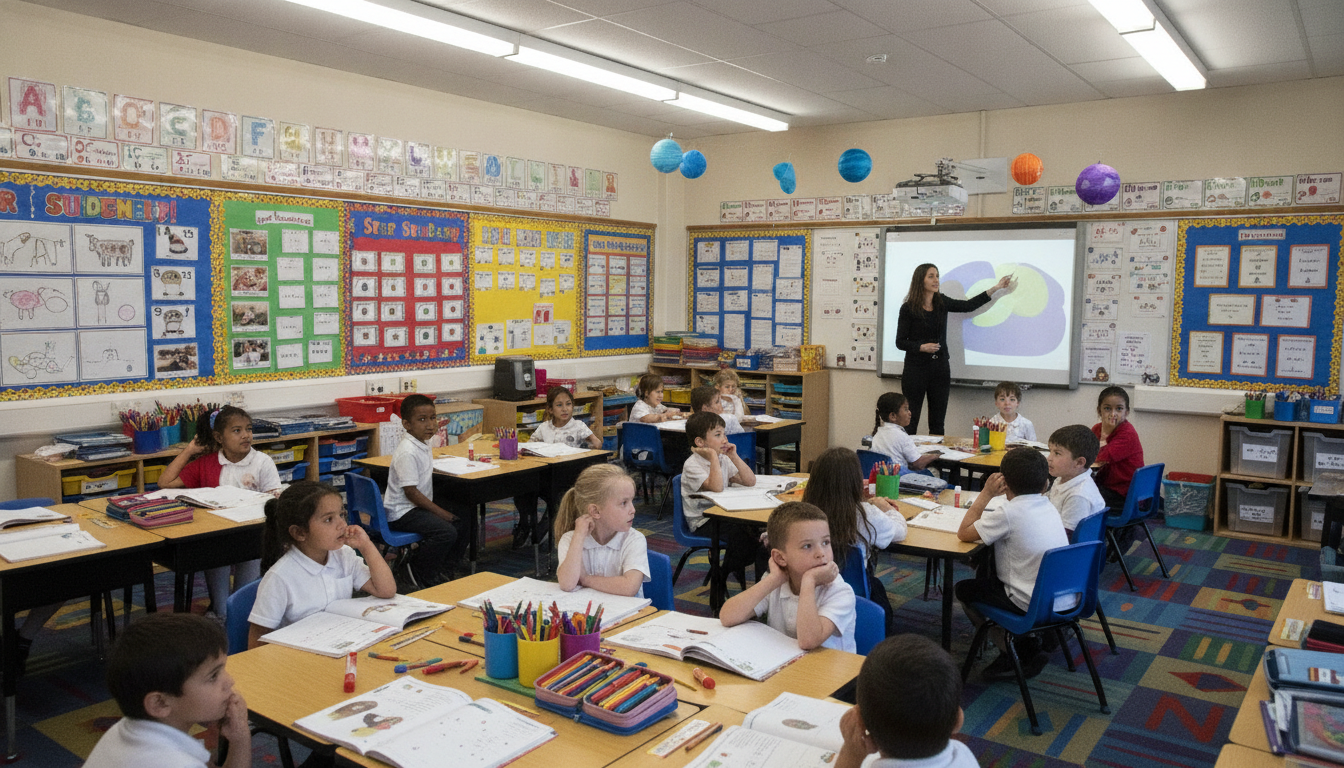
Imagine trying to follow a teacher’s instructions while 20 posters, flashing displays, bright lights and constant background noise all compete for your attention. For some children, this is not a small distraction. It can make it hard to work out what matters, hold information in mind and begin the next task.
A child can only process a limited amount of information at one time. When the room asks them to filter noise, visual clutter and unclear directions before they can start learning, their attention may run out before the lesson does. By the end of this guide, you will be able to spot practical changes that support attention, understanding and regulation.
Why universal adaptations help every learner
Also, adaptations work best when they are part of everyday teaching, not an extra reserved for children with a diagnosis. A visual timetable, a clear start-of-lesson routine, or a quiet place to reset gives every child more information about what is happening and what comes next.
In a class of 30, even confident learners can lose focus when instructions change quickly, the room is noisy, or they are unsure how long a task will last. Predictable supports reduce that uncertainty. They can help a child who is new to the school, a learner managing anxiety, and a pupil who simply had a difficult morning.
So, if you do one thing, make key routines visible and available to everyone. This avoids singling out individual pupils while giving children practical ways to take part with more confidence.
Use a visual timetable for the day and point to it during transitions
Show task steps with pictures, short written prompts, or an example of finished work
Keep a quiet space available for short, agreed breaks
Give a two-minute warning before tidy-up, group work, or a change of activity
These adjustments do not make learning less ambitious. They make the route into learning clearer, so more children can spend their energy on the task rather than working out what to do first.
How to create calm without making classrooms less engaging
In practice, calm comes from making every visual choice earn its place. A pupil trying to follow a phonics task can lose focus when every wall, shelf and window competes for attention; reducing that competition can make the next learning step easier to spot.
Start with a 10-minute display audit. Keep visuals pupils actively use, such as a number line near the maths table, current vocabulary at eye level or a worked writing example. Remove expired topic boards, duplicate posters and decorative items that do not help with the lesson in front of them.
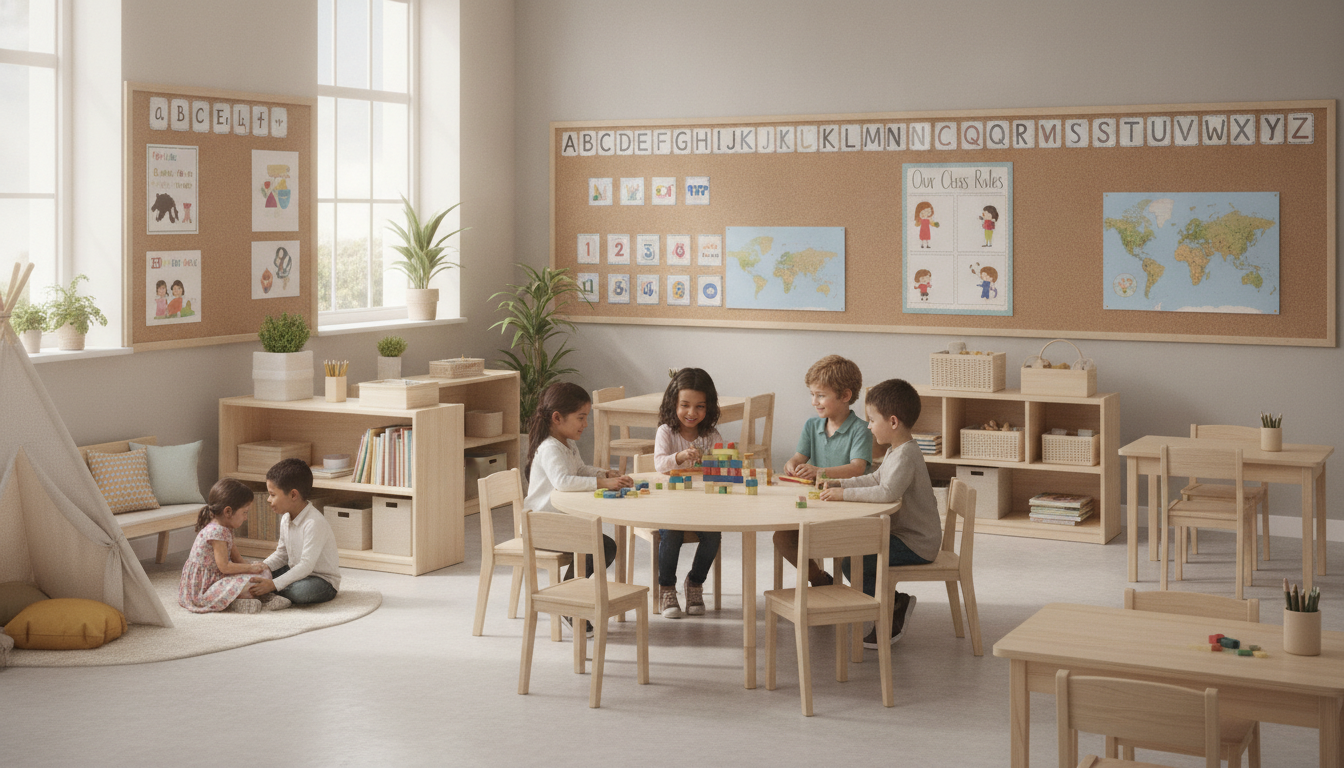
Next, use quieter backdrops so learning materials stand out. Neutral paper, natural colours and durable hessian can reduce visual workload while giving pupil work a clear place to be seen; this works best when the displayed work is selected for a learning purpose, not simply to fill every board.
If you do one thing, leave some wall space empty. A single well-kept display with 6 to 10 useful items often gives pupils more direction than a crowded board with dozens of competing messages. Review each area at the end of a unit, then replace only what supports the next few weeks of learning.
Make routines and learning visible for greater independence
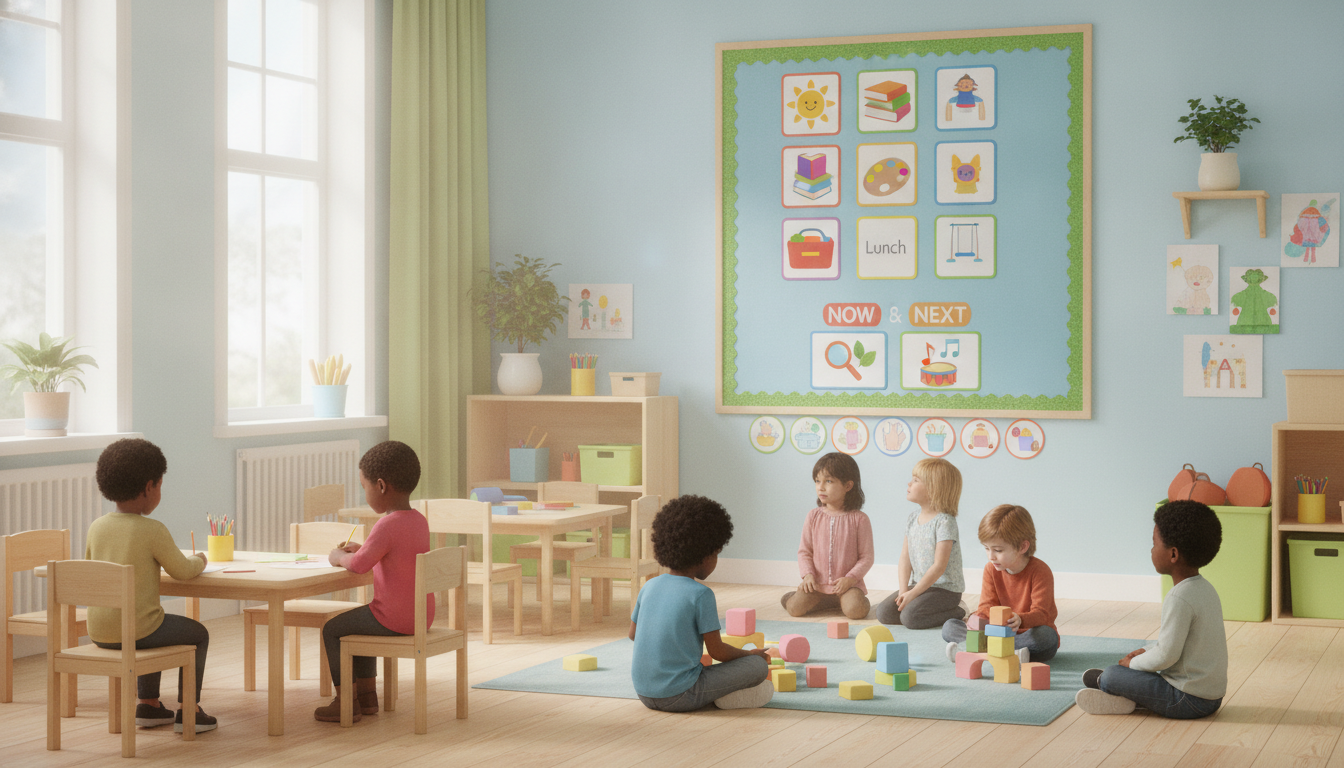
In practice, a child arriving after lunch may face three spoken instructions in quick succession: put away a bag, find a worksheet, then join a group. A symbol-supported timetable, now-and-next board, or short picture checklist turns those instructions into information they can check for themselves.
Ask one useful question when setting up each display: could a child understand this information before they can read it fluently? Use clear symbols, photos of the actual classroom where helpful, and one step per image. Keep the visual at the point of need, such as a handwashing sequence beside the sink or a packing checklist near the door.
Also, accessible visuals reduce the load on working memory, the short-term mental space used to hold information while doing a task. Instead of relying on repeated adult reminders, a learner can look up, check what comes next, and return to the task after an interruption.
If you do one thing, make the day’s first transition visible. Then add supports where reminders are repeated most often:
A visual timetable for the order of the day
A now-and-next board for one immediate change or transition
A four-step checklist for independent tasks such as getting ready for art
Picture prompts for routines such as lining up, borrowing equipment, or tidying up
Visuals work best when adults point to and use them consistently. A common mistake is putting up too many small, crowded posters; choose a few clear supports, review whether children use them, and update them as routines change.
[Video:
What small classroom change will help this week?
In practice, remember this: the child is not the barrier. The environment may be. A noisy transition, unclear instruction, crowded display, or hard-to-find resource can make a capable learner look distracted or dependent.
If you do one thing this week, choose one repeated moment that feels difficult, such as arrival, tidy-up, group work, or independent writing. Then make one small change: add a visual step card, create a quieter work spot, label materials with pictures, or give a two-minute warning before a transition.
A calmer, clearer classroom does not mean a silent or identical one. It means children can see what comes next, find what they need, and take part in ways that suit them. Ask yourself: which small change could make your classroom feel calmer, clearer, or more flexible this week?
Explore further support from Sunshine Academy
Also, hearing how other educators approach adaptive classrooms can turn good intentions into choices you can use on Monday morning. Listen to the Sip of Sunshine Podcast episode on adaptive classrooms and mainstream education for ideas on making learning spaces more accessible while keeping expectations high.
Next, explore the Adaptive Classrooms webinar with Michelle Morgan for practical next steps. It can help you identify one part of your room, routine, or lesson to adjust first, then check whether that change helps learners take part with more confidence and independence.