Developmental Language Disorder: The Hidden SEND Need

Holly Buchanan

Key Takeaways

Developmental Language Disorder, often called DLD, affects around two children in every classroom. A learner may follow the routine, try hard, and still miss key parts of spoken instructions because understanding or using language takes more effort.

  • DLD is a lifelong difference that can affect understanding, speaking, learning, friendships and wellbeing

  • It can go unnoticed when a child appears distracted, quiet, reluctant to join in, or unable to explain what they know

  • If you do one thing, use short sentences, give one instruction at a time, and check understanding before moving on

Early recognition matters because repeated language barriers can lead to frustration and lower confidence. Small changes, such as allowing extra processing time, pairing spoken directions with visuals, and giving clear examples, can help a learner take part more fully.

When a child seems distracted but language is the real barrier

A learner misses the first instruction, watches classmates for clues, then gives up halfway through the task. They may withdraw from group talk, answer with “I don’t know,” or become frustrated when the teacher moves on. What looks like inattention can be a language barrier: the child may not have understood the words, the sequence, or what response is expected.

By the end of this guide, you will be able to spot common signs, avoid quick assumptions, and make small classroom changes that give learners more time and clearer ways to take part.

The challenges of having DLD

DLD can make it harder to understand and use spoken language, even when a child is paying close attention. For example, a pupil may hear a teacher give three instructions, complete the first one, then seem stuck because the remaining steps were not clear.

A child with DLD may need extra time to process words, find the right word, or turn a thought into a sentence. This can affect them throughout life, although the way it shows up may change as language demands become more complex.

Understanding instructions and new vocabulary

School language can become difficult when it is long, abstract, or packed with unfamiliar words. A phrase such as "compare the characters' motivations" asks a learner to understand several subject-specific ideas before they can begin the task.

Common barriers include:

  • Following multi-step spoken instructions

  • Learning and remembering new vocabulary

  • Understanding words with more than one meaning

  • Working out implied meaning, jokes, or indirect requests

  • Keeping up when adults speak quickly or change topic

Why DLD is often mistaken for behaviour or another need

A child with DLD may look distracted, defiant, or unwilling, when the real problem is that spoken language has moved too fast. They may forget a three-step instruction, avoid starting independent work, become anxious before group tasks, or react with frustration when they cannot find the words they need.

Social situations can be just as hard. A learner may miss the point of a joke, struggle to join a fast conversation, or give a short answer that others read as rude or disinterested. If their difficulties change from lesson to lesson, it can be tempting to label the behaviour rather than check whether the language demands have changed.

Look for the pattern behind the behaviour

In practice, look for repeated difficulties when language is long, unfamiliar, abstract, or delivered quickly. For example, a pupil may follow a one-step direction at the start of the day but struggle after hearing four instructions in a noisy classroom. If you do one thing, pause and check understanding with a calm, specific question instead of asking, “Do you understand?”

DLD is not caused by parenting, intelligence, or exposure to more than one language. A child can be curious, capable, and keen to take part while still needing extra time, clear wording, and support to process what they hear and say. 

How small adjustments can help learners with DLD thrive

Also, small changes to how adults speak and present information can remove major barriers for learners with DLD. A pupil may understand the topic but lose track when instructions contain several steps, unfamiliar words, or fast-paced discussion.

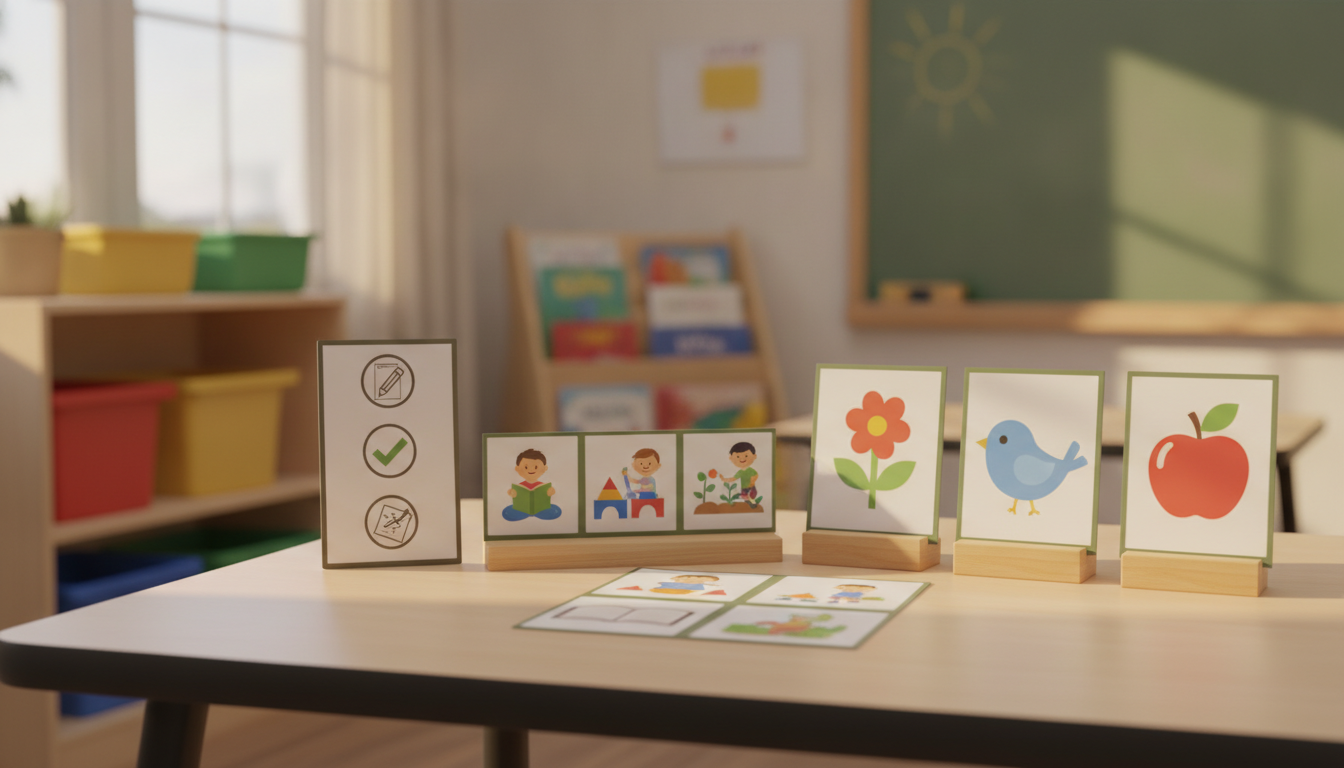
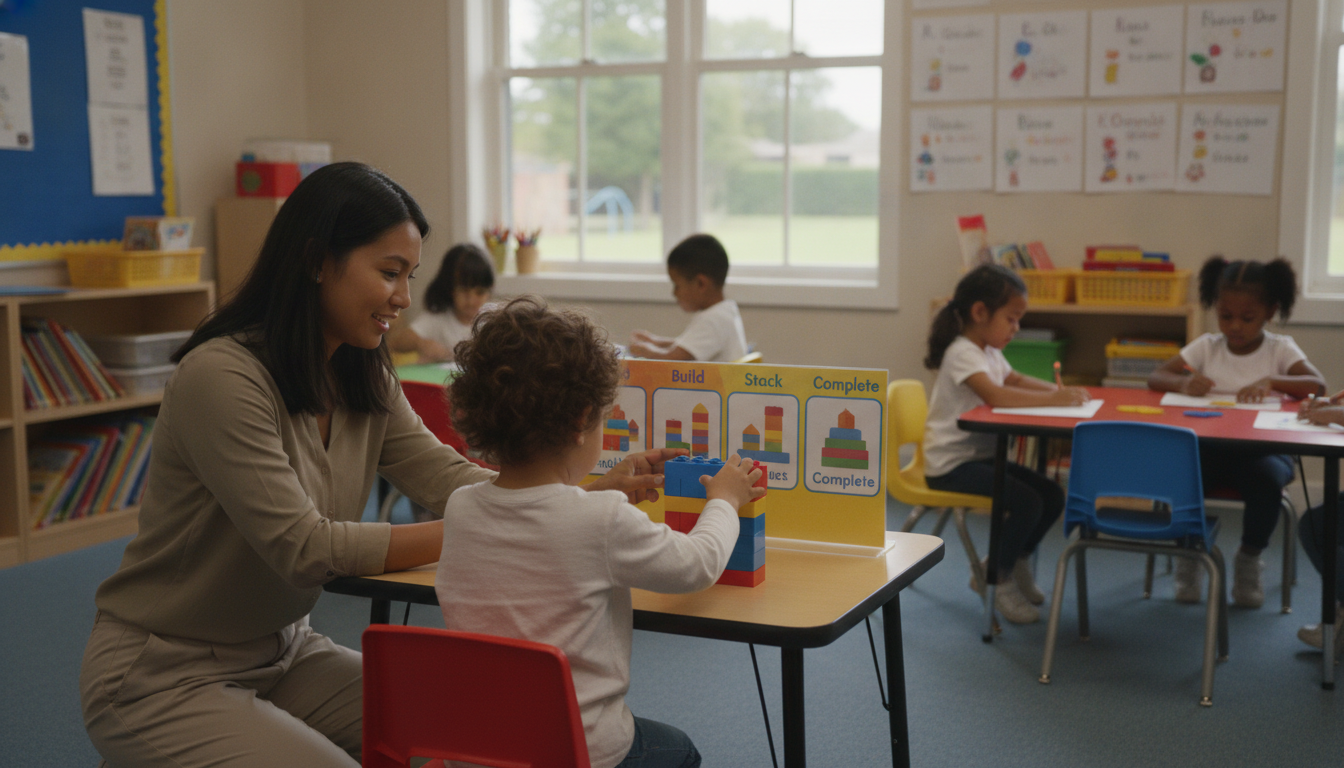
Use short, clear sentences and give one instruction at a time. Pair spoken information with a visual prompt, such as a picture, checklist, model answer, or written key word, then allow extra processing time before expecting a reply. A useful check is to ask, “What will you do first?” rather than “Do you understand?”

Make language easier to follow

If you do one thing, make the steps visible. For example, instead of saying “Get your book, read the passage, answer the questions and hand it in,” show a four-step list and tick each part off together.

  • Pre-teach 3 to 5 important words before a new topic

  • Explain each word with a plain definition, picture, gesture, and example

  • Break longer tasks into short stages

  • Pause for around 5 to 10 seconds after asking a question

  • Repeat or rephrase key points without adding more language

  • Check understanding regularly through a demonstration, choice, or retell

Plan support into language-heavy tasks

In practice, reading, writing, group work, and problem-solving tasks often need a slower pace and a clear language model. A teaching assistant can support a small group by repeating the task, pointing to visuals, and giving pupils rehearsal time before they speak to the class.

Communication support programmes can also give learners regular practice with vocabulary, sentence building, listening, and telling a sequence. These adjustments work best when used consistently across lessons; they are less helpful when visual aids appear only after a learner is already confused.

What one adjustment could help a child feel understood today?

Awareness is the first step towards support. A child who appears distracted, quiet, frustrated, or unwilling may be working hard to understand language, find the right words, or keep up with a fast conversation.
Start with one small change today: give an instruction in short steps, pause for extra processing time, check understanding without asking “Do you understand?”, or pair spoken information with a visual cue. These actions work best when used consistently, not only after a child has become distressed.
Notice when communication demands rise. A calmer explanation, one extra minute, or a written reminder can help a child communicate, learn, and feel understood.
Small, consistent adjustments can make communication more accessible and help every child take part with greater confidence. With patience, understanding, and the right support, every child can be given the opportunity to communicate, learn, and thrive.

DLD Content