For too long, Polycystic Ovarian Syndrome (PCOS) has been misunderstood as simply a condition that affects the ovaries. In reality, it can impact almost every part of a woman's life. From hormone imbalances and metabolic changes to emotional wellbeing and self-esteem, this condition reaches far beyond irregular periods or fertility concerns. Yet despite affecting millions of women and girls worldwide, many continue to face years of confusion, dismissal, and unnecessary suffering before receiving answers. However, there has been development. PCOS no longer exists and has now been renamed Polyendocrine Metabolic Ovarian Syndrome (PMOS).
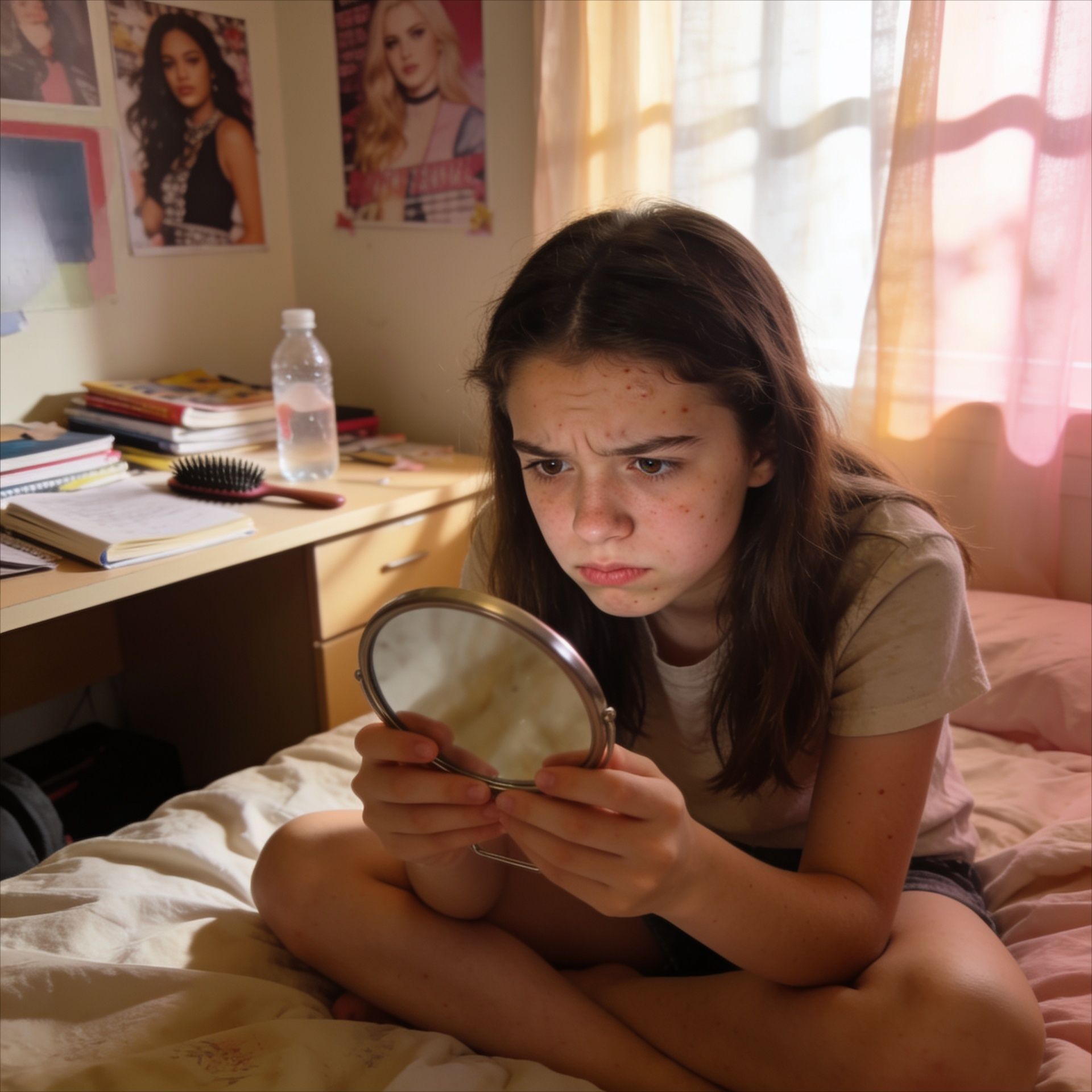
For many girls, the journey begins during puberty. Their periods may be painfully irregular, their skin may suddenly become covered in acne, and they may notice unwanted facial or body hair that leaves them feeling embarrassed and isolated. Others experience unexplained weight gain that seems impossible to shift despite eating well and exercising. All of these symptoms can be overwhelming, frustrating and confusing for young girls who live in a world where appearances matter and people are so often bullied as a result of being different. Instead of recognising these as potential signs of an underlying condition, they are often told that it is simply part of growing up, that they are overreacting, or that they just need to lose weight.
Those early experiences can leave lasting emotional scars. Adolescence is already a time when confidence is fragile, and feeling different from friends can be incredibly difficult. Many young girls begin to question their bodies, feeling ashamed or believing they have somehow failed. Anxiety, depression, low self-esteem and disordered eating are all more common in women living with this condition, yet the emotional impact is still too often overlooked. If the signs were considered early, so much more could be done to support these young girls and potentially avoid having millions of women with negative mental health and health concerns as a direct result of this condition.
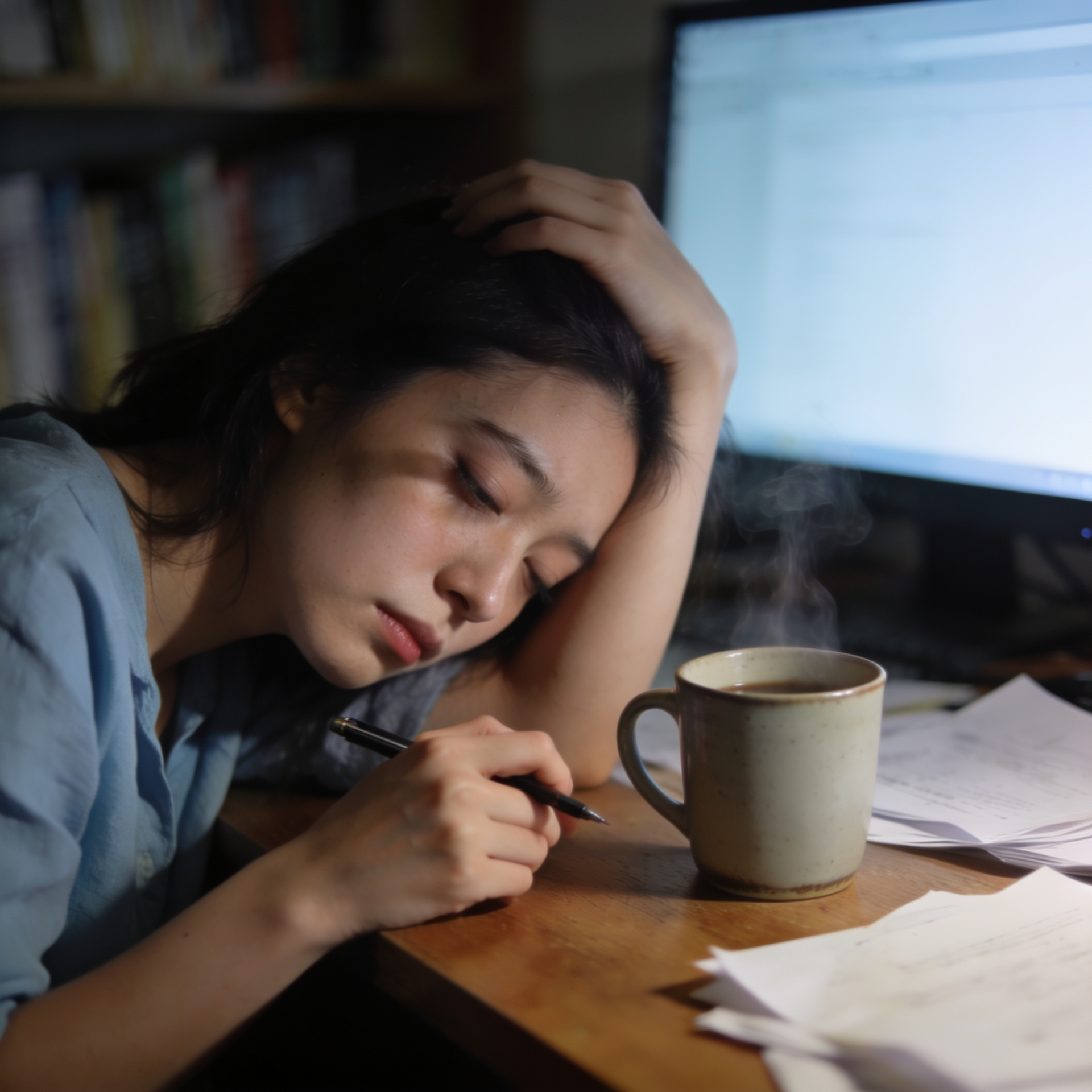
As women grow older, the challenges can become even more complex. Fatigue that never seems to improve, brain fog, mood swings, disrupted sleep, chronic pain, difficulties managing weight, and concerns about fertility can all take their toll. Every symptom on its own might seem manageable, but together they can affect relationships, careers, education, and everyday life. Many women describe feeling as though they are constantly fighting against their own bodies.
Women are often given medication which can often leave them feeling sick, dizzy and exhausted as there has for so many years, been such little research into the condition. Women are encouraged to take the contraceptive pill which in itself can have side effects and is not a long-term solution to a problem.
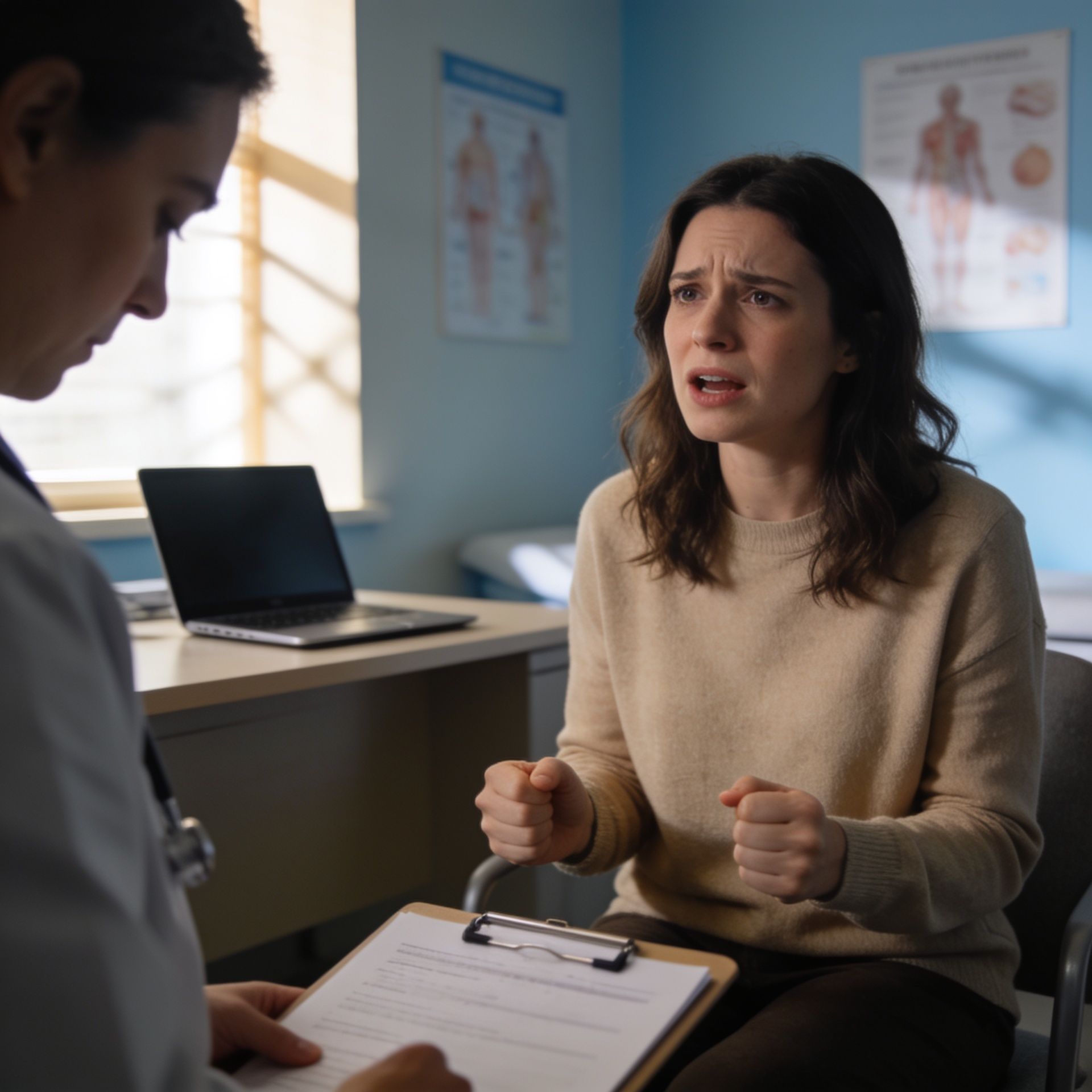
One of the hardest parts of living with PMOS is not always the condition itself, but the struggle to be believed. So many women describe years of appointments where their symptoms were minimised or explained away. They have been told that they simply need to eat less, exercise more, reduce stress, or accept that painful or irregular periods are normal. Women have spent years with periods that have ruled their lives, spending thousands on sanitary products to simply be able to leave the home with some comfort. This is the price that people do not see. Alongside this, they spent years trying numerous diets, spending hours at the gym and trying every supplement that could help in some small way.
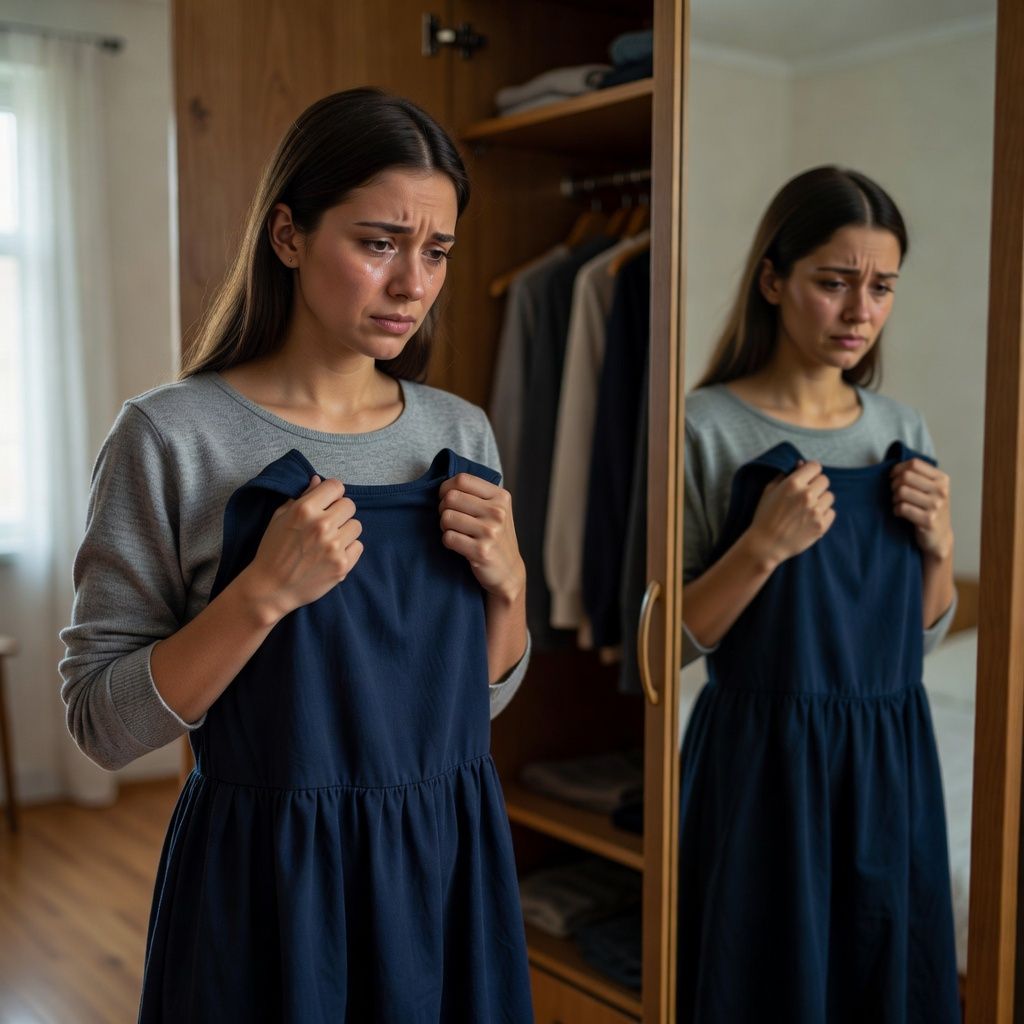
The consequences of delayed diagnosis extend beyond frustration. Without understanding what is happening, women may spend years feeling frightened by unexplained symptoms or believing they are imagining them. Opportunities for early support, lifestyle guidance, mental health care and appropriate treatment can be missed. By the time many receive a diagnosis, they are not relieved because they finally have a label—they are grieving the years they spent feeling unheard. The years where they felt guilty for eating cake, for feeling too bloated for the dress they have in the wardrobe or feeling too self-conscious to have relationships.
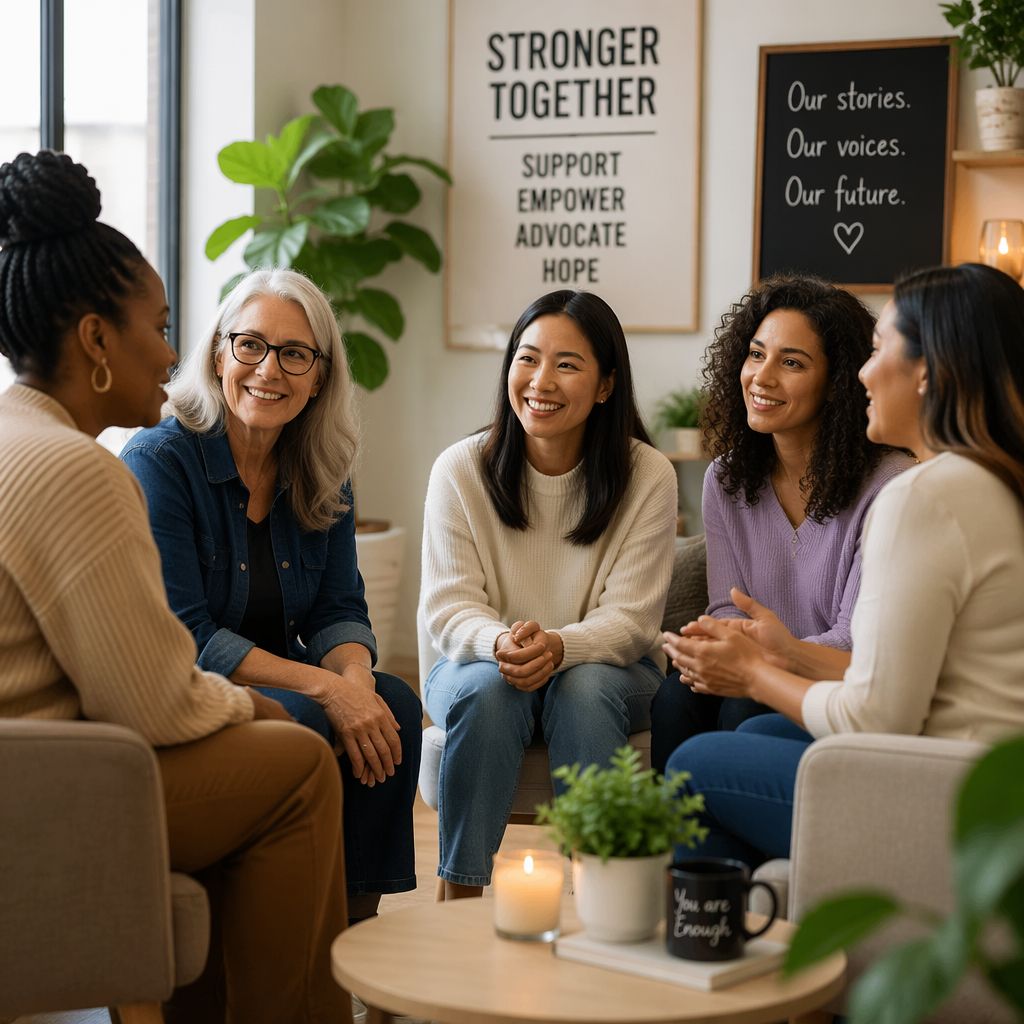
There is growing recognition that healthcare needs to do better. Listening to women and girls, taking their symptoms seriously, and looking at the whole picture rather than focusing on individual complaints can make an enormous difference. Women have spent too many years being told that their problems are not serious, that it is all in their heads, and sadly, this is often by male doctors. Compassion should never be considered an optional extra in healthcare.
Greater awareness is also helping to change the conversation. More people now understand that this is not simply a reproductive condition but one that can affect physical health, mental wellbeing and long-term quality of life. Women deserve healthcare professionals who recognise this complexity and who understand that symptoms are not just numbers on a blood test or pictures on an ultrasound, but experiences that shape everyday life.
Most importantly, women and girls living with polyendocrine metabolic ovarian syndrome deserve to know that they are not alone. Their symptoms are real. Their struggles are valid. They should not have to fight to be believed, nor should they have to carry the burden of educating every professional they meet. Women with this condition become experts in these symptoms and the steps that need to be taken, because medical professionals have failed to do so.
The conversation around this condition is changing, but there is still a long way to go. By listening to women's voices, challenging outdated assumptions, and recognising the whole-person impact of the condition, we can move towards a future where diagnosis comes sooner, support is more compassionate, and no girl grows up believing that her pain or her experiences simply do not matter.