The words we use matter.
In SEND conversations, the term “school refusal” is still widely used. It appears in policies, meetings, and everyday discussions. But for many families, it doesn’t feel like the right fit for what they are experiencing.
Because when a child is struggling to attend school, it rarely feels like a simple refusal.

The word 'refusal' suggests choice.
It can sound as though a child is deciding not to go to school, as if they are weighing up options and choosing to opt out. For parents, this can be difficult to hear, especially when what they are seeing at home tells a very different story.
Many children who struggle with attendance are not calmly refusing. They are overwhelmed, anxious, or unsure how to cope with what the school day is asking of them.
Describing this as refusal can unintentionally reduce something complex into something much simpler.
The term
school avoidance shifts the focus.
Instead of asking why a child won’t attend, it asks what might be making attendance feel so difficult.
Avoidance recognises that behaviour is often a response to something deeper. It allows space to explore anxiety, sensory overload, social challenges, or learning difficulties that may not be immediately visible.
It also reflects something many parents recognise — that their child often wants to attend school, but finds it increasingly hard to do so.
For many families, school avoidance does not begin overnight.
It builds gradually.
A child who once attended happily begins to show small signs of struggle. Mornings become harder. Complaints of headaches or stomach aches appear, often at the same time each week. Sunday evenings become tense.
At first, these changes can seem minor. Easy to explain. Easy to hope it will pass.
But over time, patterns emerge. The child becomes more distressed. Recovery after school takes longer. The effort of attending begins to outweigh the ability to cope.
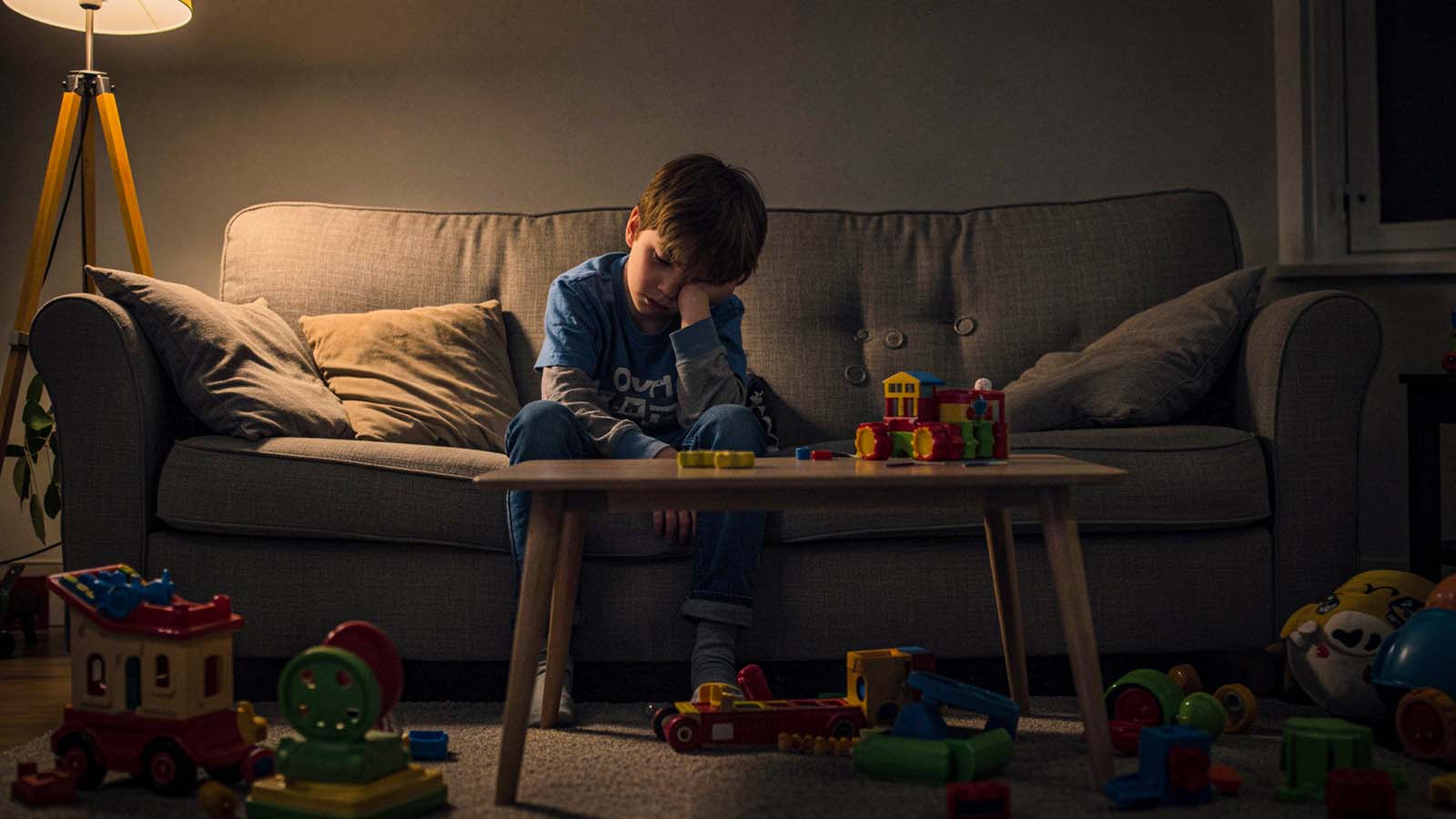
When a child avoids school, they are often communicating something important.
It might be:
anxiety about the school environment
difficulty managing friendships
sensory overwhelm
challenges with learning that feel too hard to face
the effort of masking throughout the day
These experiences are not always visible in the classroom. A child may appear to be coping at school, only to release that pressure at home.
When we shift from the idea of refusal to the understanding of avoidance, our response changes.
Instead of asking how to make a child go to school, we begin to ask what is making school feel unsafe or overwhelming.
Instead of increasing pressure, we begin to look at reducing it.
Instead of focusing on behaviour, we focus on understanding.
This does not mean expectations disappear. It means they are approached in a way that supports the child, rather than adds to their distress.
If your child is struggling to attend school, it can feel isolating and confusing.
But you are not alone, and your child is not choosing this lightly.
Understanding what sits beneath school avoidance is often the first step toward helping children feel safer, more supported, and more able to engage with learning again.
Because when we understand what children are telling us, we are better able to support them in finding their way back.
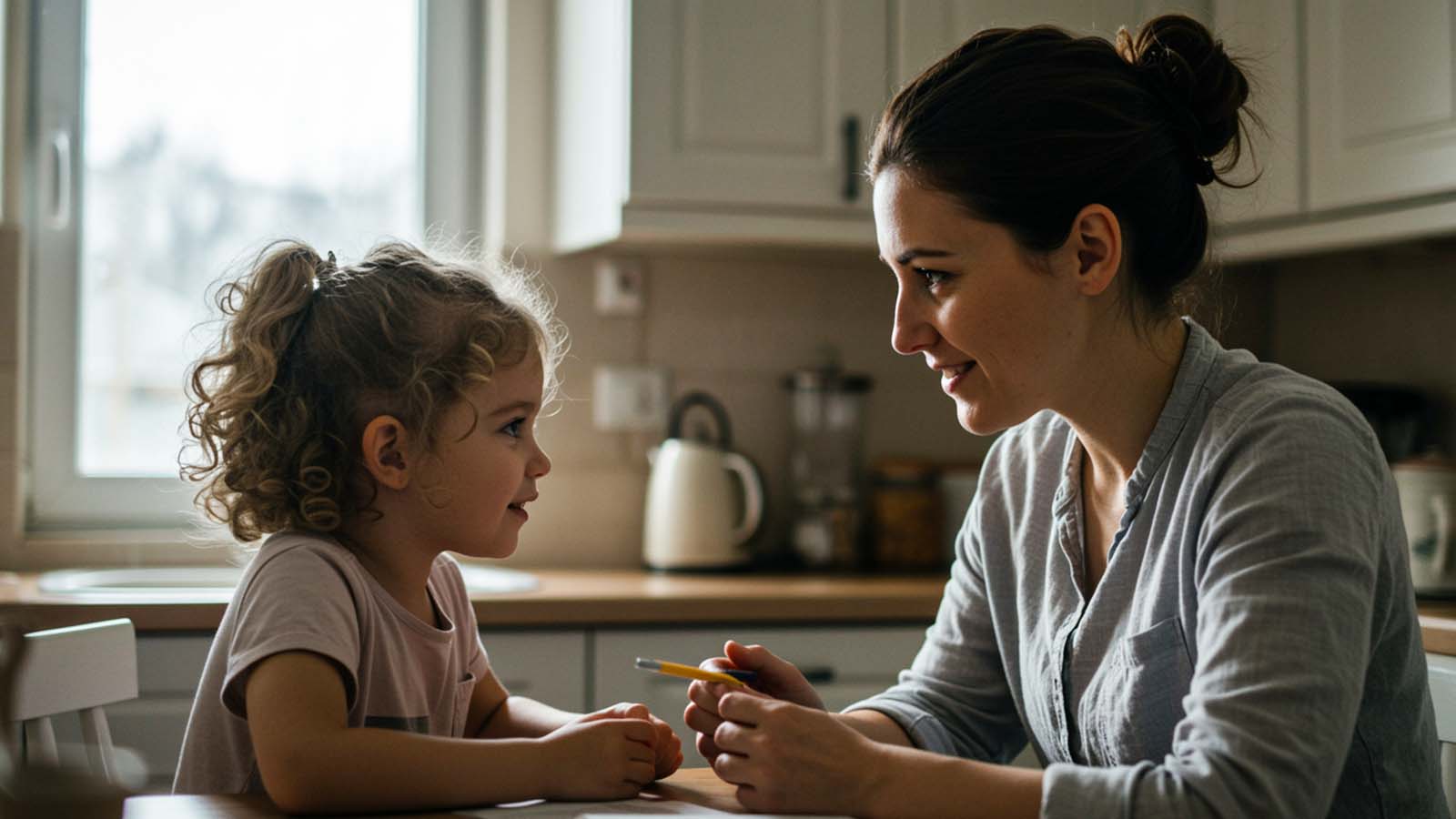
If your child is beginning to struggle with school attendance, small steps can make a meaningful difference.
Start by noticing patterns. When does it feel hardest for your child? Are there particular days, subjects, or moments that seem to increase anxiety?
Keep communication open with school, sharing what you are seeing at home as well as asking what they are noticing in the classroom. Even when perspectives differ, building a shared understanding is an important first step.
Where possible, focus on reducing pressure rather than increasing it. When children feel overwhelmed, support and flexibility often help more than pushing through.
And most importantly, remind yourself that you are not alone in this. Many families are navigating similar experiences, and understanding what sits beneath school avoidance is the first step towards supporting your child forward.