Key Takeaways

When your child is struggling now but the assessment could take months
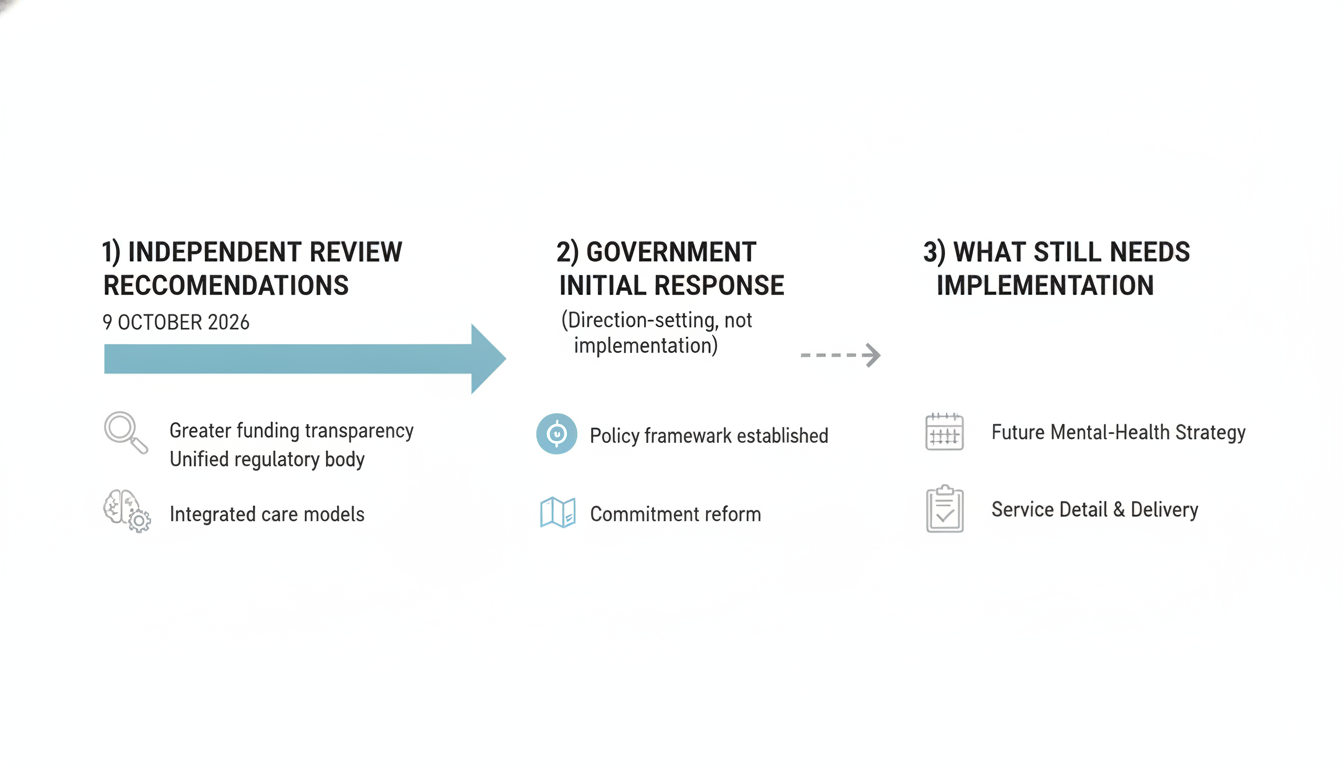
What has actually been announced and what has not
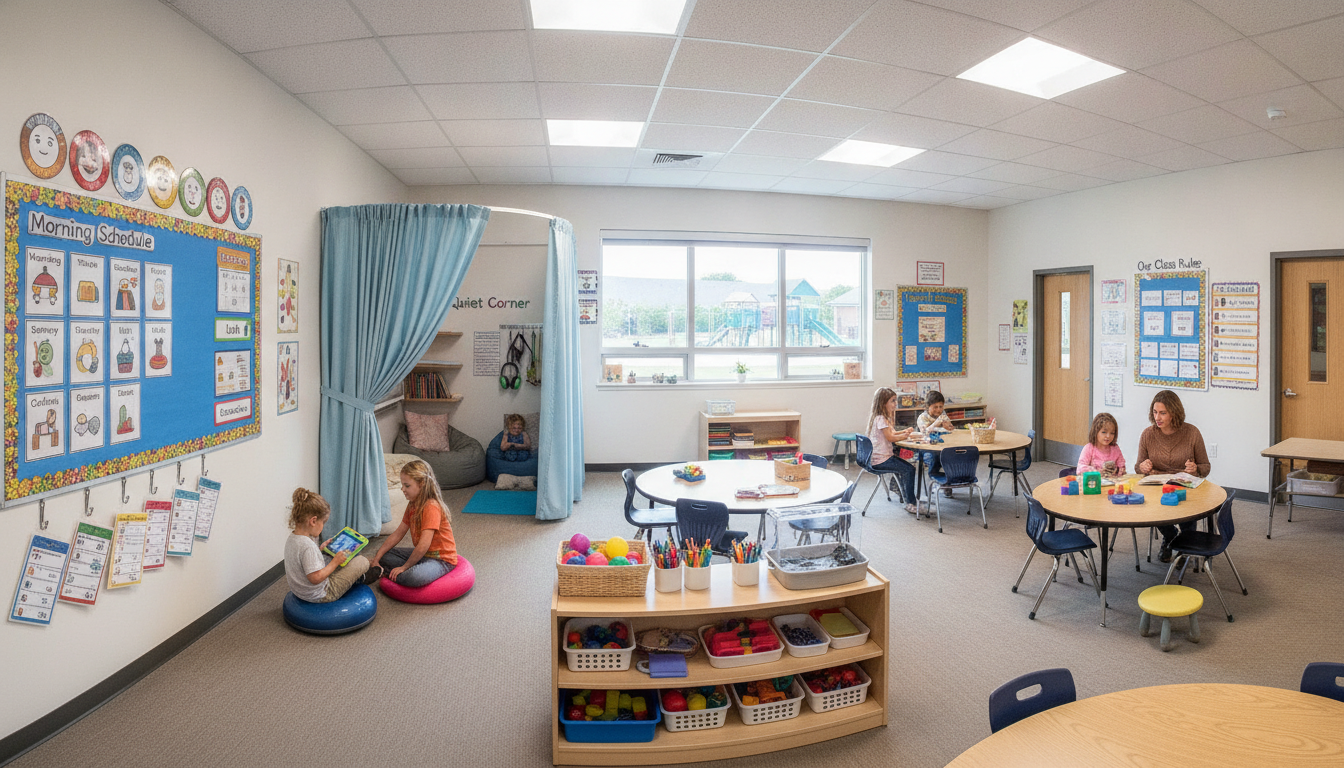
How support can start before diagnosis in schools and services
Notice barriers, then match the adjustment to the moment
Examples of support you can ask for now
Make it easier for staff to follow consistently
Why diagnosis still matters and why it must not become optional by default
Closing remarks
FAQ
Is the independent review now law in England?
No. An independent review is advice, not a law. Laws or formal policy changes would need a separate government process and clear publication. Treat it as a signal of possible direction, not something schools must follow immediately.
Has the government implemented a needs-led system yet?
Not in a complete, consistent way. Some services already use needs-led decisions in parts of their work, but a nationwide switch requires new guidance, funding, and accountability. For now, families may see mixed practice across areas.
Does needs-led support mean my child won’t be able to get an ADHD or autism assessment?
It should not. Needs-led support means help can start without waiting, not that assessment becomes unavailable. The risk is delays being framed as acceptable, so keep asking what the assessment pathway is and what the current waiting steps are.
Is the review saying ADHD and autism are simply being overdiagnosed?
Not as a blanket statement. The debate is usually about variation in access, thresholds, and how systems respond to need. If you hear “overdiagnosis” used to dismiss support, ask what evidence is being used in your child’s specific case.
What should I ask my school or local service for while we wait?
Ask for a written support plan with dates and review points. Useful requests include classroom adjustments, a named key adult, a behaviour and anxiety plan, and referrals for speech and language or occupational therapy if needed. Also ask who to contact if things worsen.