There are moments that seem small from the outside.
A comment said in passing.
A look across the room.
A change in tone.
And suddenly, everything shifts.
For some children, these moments don’t just pass by. They land heavily. They stay. They grow.
And what follows can feel confusing for everyone involved.
A child might react strongly to something that seems minor.
They may become upset, withdrawn, or defensive.
They may shut down completely.
Or they may respond with frustration that feels bigger than the moment itself.
From the outside, it can be difficult to understand.
But for children who experience Rejection Sensitive Dysphoria (RSD), these moments are not small at all.
They can feel overwhelming.
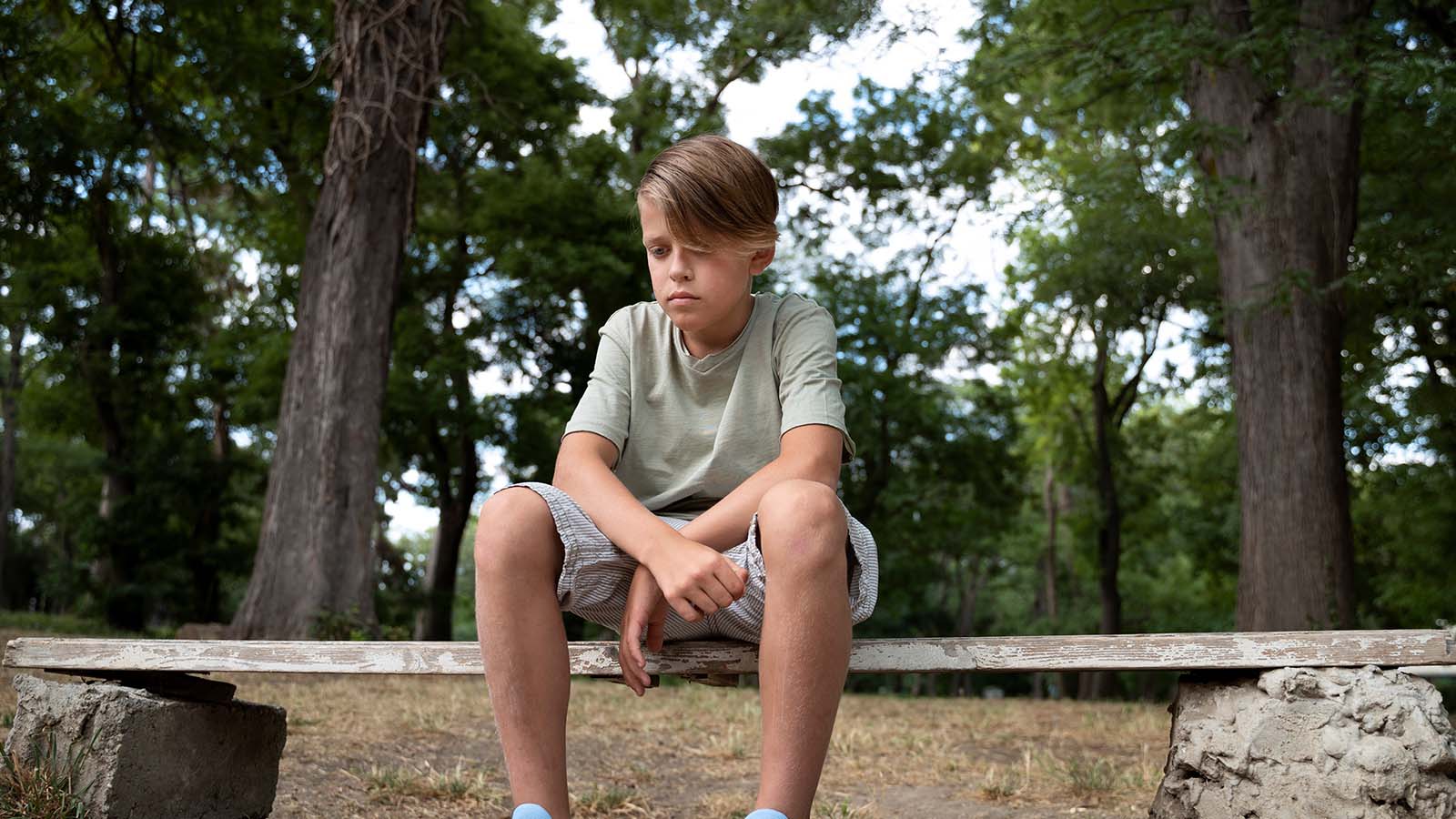
Rejection Sensitive Dysphoria is often described as an intense emotional response to perceived rejection, criticism, or failure.
The key word here is perceived.
It doesn’t always mean something has been said directly.
It might be a feeling. A look. A moment that feels like something has gone wrong.
And for the child experiencing it, the emotional response is real and immediate.
It can feel like:
“They don’t like me”
“I’ve done something wrong”
“I’m not good enough”
Even when none of those things have actually been said.
For many children, especially those who are neurodivergent, the emotional system can respond quickly and deeply.
There isn’t always a pause between the moment and the feeling.
And once that feeling arrives, it can be hard to shift.
This is why RSD can sometimes look like:
sudden emotional reactions
strong responses to feedback
difficulty letting go of small moments
avoidance of situations where rejection might happen
It’s not about being overly sensitive.
It’s about experiencing those moments in a much more intense way.

Like many SEND experiences, RSD doesn’t usually appear out of nowhere.
It often builds gradually.
Small moments that feel difficult.
Experiences that don’t quite land right.
Times where something felt uncomfortable but wasn’t fully understood.
Over time, those moments can begin to shape how a child sees themselves and the world around them.
They may start to expect rejection, even when it isn’t there.
There isn’t a quick fix for RSD.
But there are ways to support children through it.
Often, it starts with recognising what is happening.
Instead of trying to correct the reaction, it can help to acknowledge the feeling:
“That felt hard, didn’t it?”
“I can see why that upset you”
Creating space for the emotion, rather than immediately trying to solve it, can make a big difference.
When we understand what sits beneath these reactions, it becomes easier to respond with calm rather than confusion.
We move away from:
“That’s an overreaction”
And towards:
“Something about that felt really big for them”
For parents wanting to explore this more, building understanding around emotional regulation, anxiety, and neurodivergence can be really helpful.
Across the Academy, many of our webinars explore these themes in a practical and accessible way, helping to make sense of moments that can otherwise feel unpredictable.