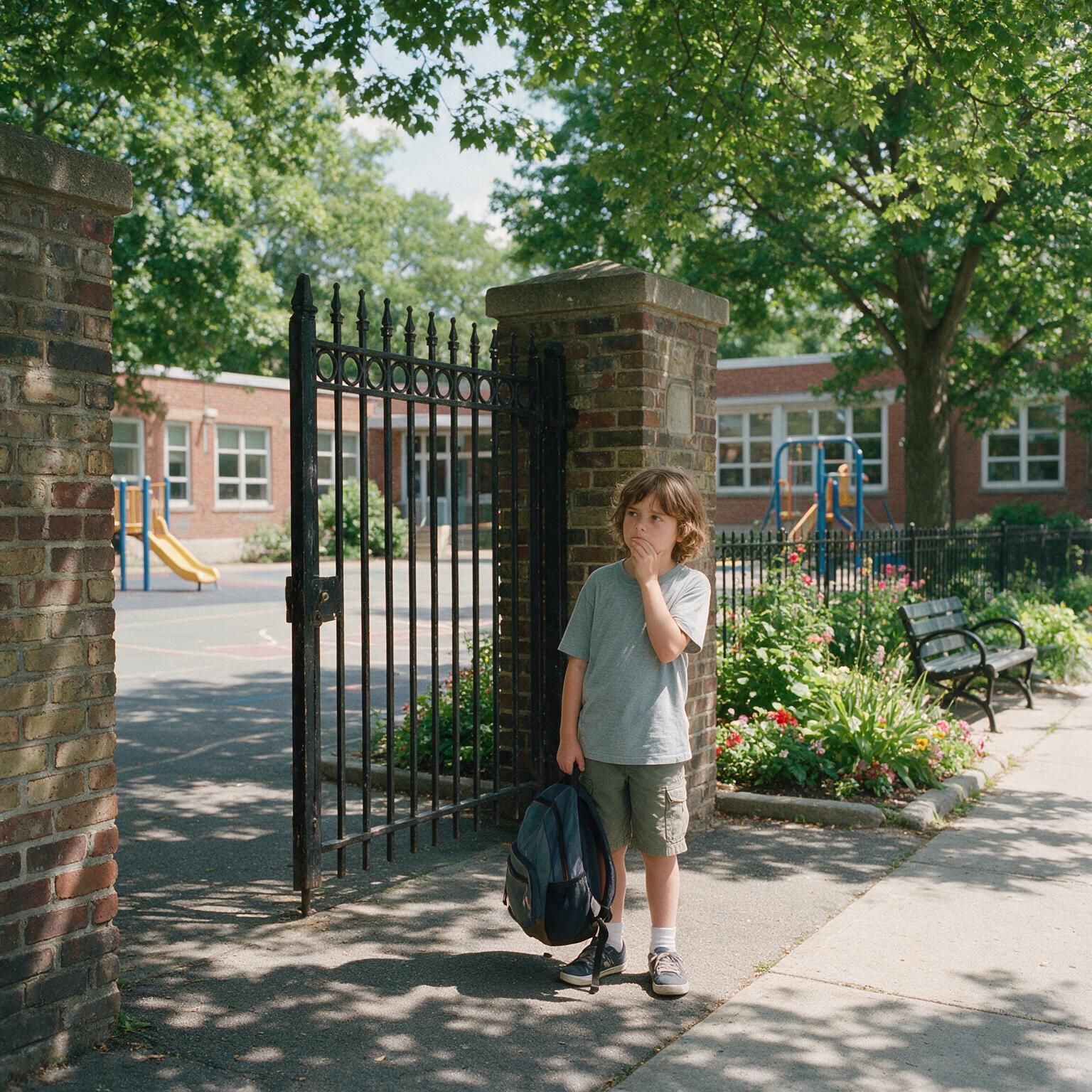
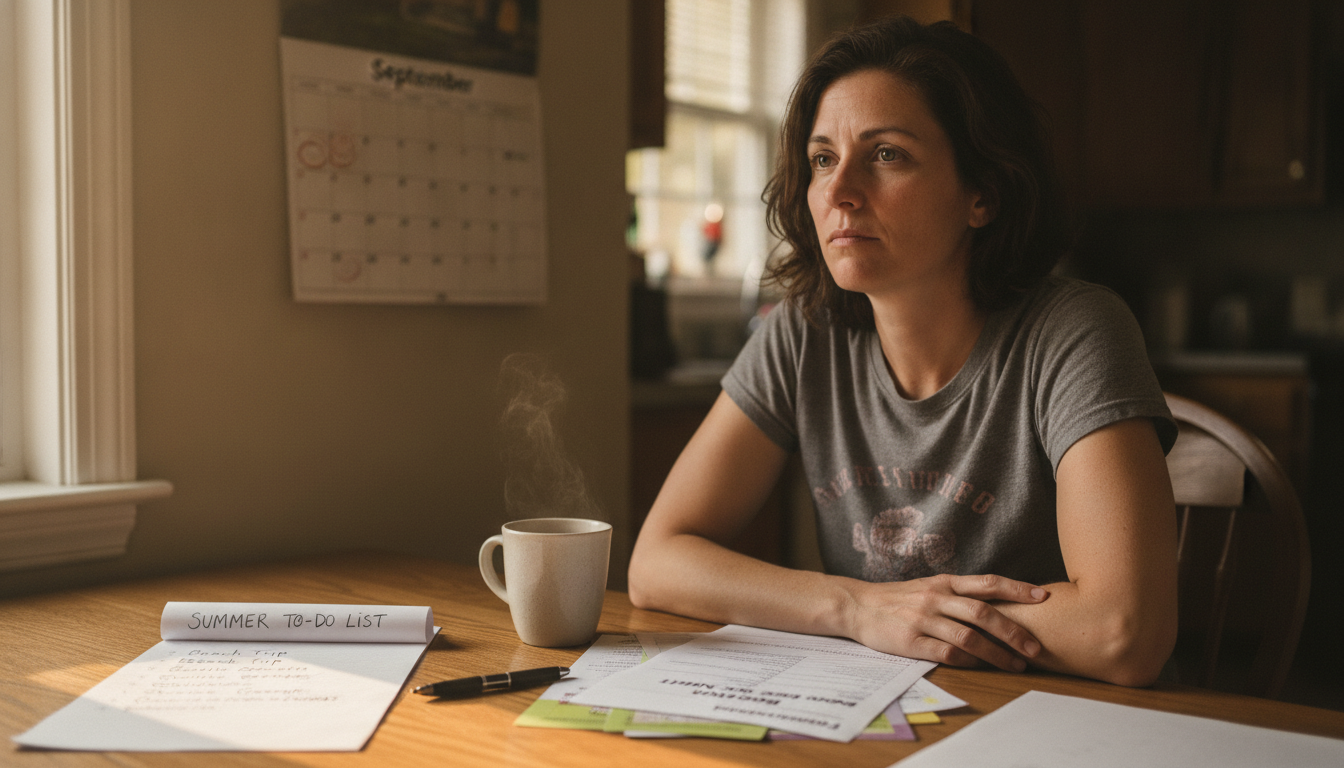
Next, it helps to name what this fear looks like in everyday routines, because it often shows up sideways rather than as a clear "I’m anxious about school." You might see sleep changes (taking 60 minutes to settle, early waking, or new bedtime battles), irritability over small requests, or a child who avoids any school talk by changing the subject or leaving the room.
Other common signs are over-planning and control seeking: repeated questions about what day you are doing what, wanting a bag packed days early, or getting stuck on details like who will be there and what time you are leaving. Some children look "fine" until a fun day trips the alarm, then they seem on edge at the park, ask to go home early, or cling more than usual.
But these patterns are not proof you are doing something wrong. Anxiety is a protection mode, meaning the brain is trying to prevent a bad outcome, not making a child be difficult on purpose.
Here’s why it can grow in quiet moments: when there is less structure, the mind has more space to run "what if" loops, and small uncertainties feel louder. If you do one thing, focus on spotting the pattern and calling it what it is, then respond with steady routines rather than bigger consequences
Common mistake: treating avoidance as stubbornness and pushing harder in the moment
Fix: name the feeling, reduce the decision load, and come back to the topic in a calm 10-minute window later